
Via $400B, Consumer Businesses Face a Reckoning as AI Intermediaries Reshape Profitability
AI assistants and companions are rewiring discovery and profitability. Learn how the $400B marketing pie is shifting and why brand presence in AI is the next competitive advantage.
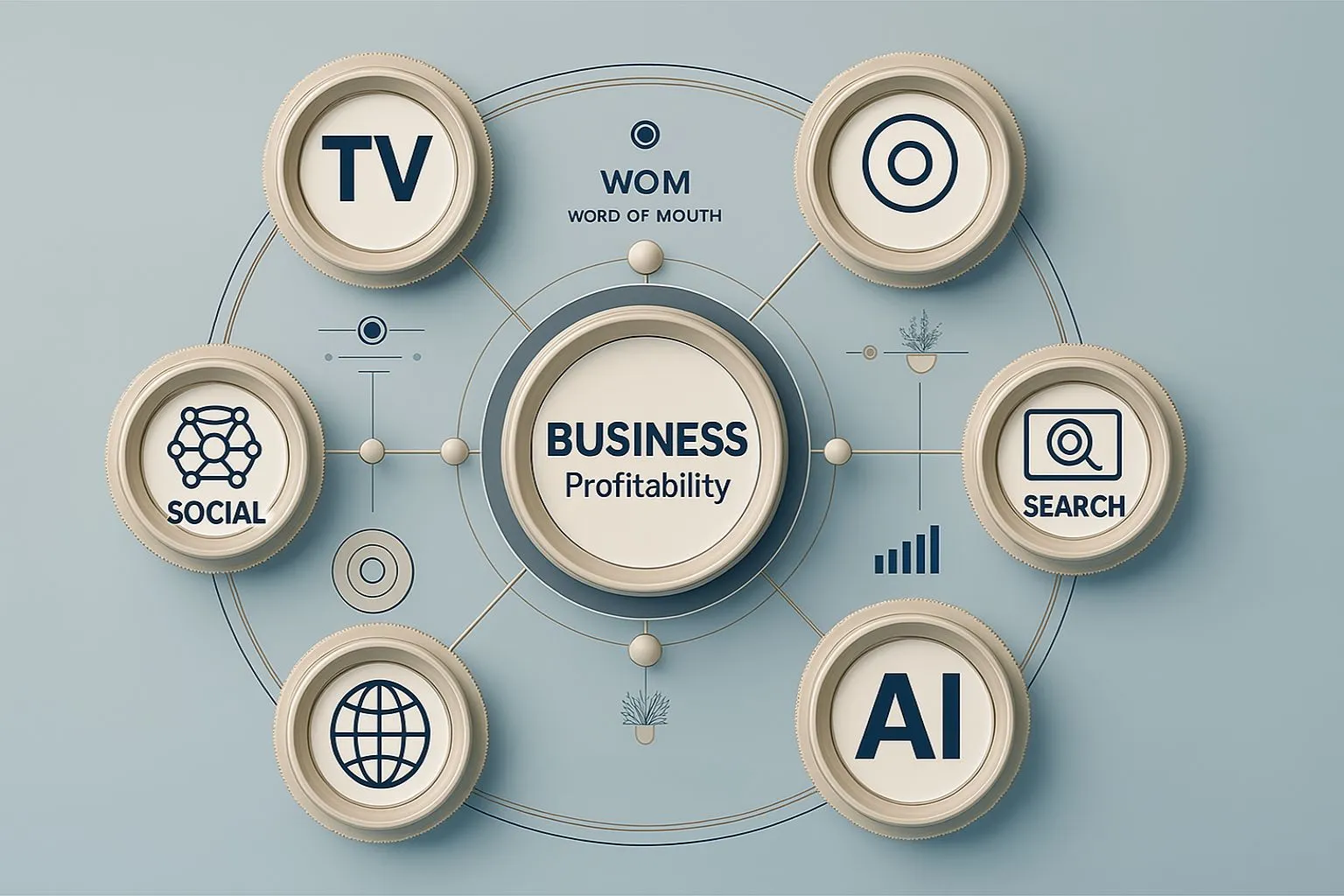
Via $400B, Consumer Businesses Face a Reckoning as AI Intermediaries Reshape Profitability
The explosive growth of AI assistants is rewiring how people discover and search for things. Instead of starting their journeys on Google or Amazon, they're turning to ChatGPT, Gemini, and other AI companions for recommendations.
According to a YouGov poll, an overall majority of Gen Z and Millennials are now ready to choose AI assistants that bring more personalized recommendations. Already, 160 million US adults are using voice assistants — and these too are being upgraded by AI. This shift goes beyond AI assistants: people are spending more time with AI companions like Xiaoice, Replika, and Character.AI that cultivate deeper, more emotional connections. Together, AI assistants and companions command a pie that is nearly $400 billion.
Having spent my career helping brands advertise to consumers across marketing channels like TV, social media, and search, I've rarely felt more excited or terrified by the power of AI intermediaries.
For consumer businesses, the disruption is more than just the 20% of revenues that go towards marketing costs. AI intermediaries guiding consumers each step through to a sales purchase underline their role in reshaping profitability. Put simply, as AI assistants and companions command more consumer attention, the brands they recommend (or not) are reformulating business profitability.
Brand presence in AI: The next competitive advantage
So what determines AI brand recommendations? Evidence on what data is used in AI model training indicates three critical sources across the buying journey:
- Earned media: AI intermediaries favor higher quality, authoritative articles and references to the brand or its products from the press and third-party websites — especially in the early stages of any buying journey.
- User-generated content (UGC): Customer reviews and brand sentiment shape AI-driven recommendations mid-funnel (Trustpilot, Reddit, etc.), underlining the importance of businesses addressing missing or negative feedback.
- Owned media: Official content from a brand's website and social channels — detailed product specifications, "How to" guides, and Q&As — integrate naturally into an AI intermediary's answers as consumers move toward purchase.
In polling, many consumers are already being influenced by AI recommendations at each of these buying stages. Indeed, daily ChatGPT users rank recommendations from AI assistants as highly influential — in some cases as trusted as recommendations from friends.
The profitability impact from an AI presence surge
The financial upside from growing AI brand presence will be far-reaching. Cross-sell recommendations (buying sun cream and a beach towel along with that swimsuit) as you chat and browse can increase the average value of an order. Moreover, these intermediaries aren't just recommending brands to buy once — they're also shaping the lifetime value of you as a customer. If a new smartphone battery disappoints or a dishwasher proves unreliable, AI assistants and companions will factor that into future recommendations.
The urgency to act
AI-driven brand discovery is already happening. Businesses should start querying ChatGPT, Gemini, Claude, or Grok to assess how their brands are perceived at each stage in the buying journey. Practical steps include:
- Audit AI-generated responses with ChatGPT, Gemini, and other priority AI intermediaries to identify strengths, weaknesses, and opportunities by brand and product across the buying lifecycle. The training data is already in place; the question is how you show up.
- Analyze the sources behind AI-generated criticisms to pinpoint high-impact brand fixes.
- Invest selectively in earned media, UGC, and organic content across owned channels to reinforce AI intermediary training signals.
Big brands vs challenger brands
Bigger players with lots of brand love like Nike, L'Oréal, and Samsung hold clear advantages. Not only are their key sources of AI brand presence well established, but they can also deploy technology and teams to stay ahead.
Challenger brands — and those with reputation issues — face a tougher climb in the absence of paid marketing working to lift AI presence. Indeed, Gartner predicts steep declines in channels like search as AI intermediaries take share. The window to build presence before the landscape hardens is narrowing.
AI intermediaries: The new power brokers
AI assistants and companions are rapidly emerging as the new gatekeepers of consumer influence. The businesses that act now will shape the standard. The good news? Similar capabilities to reach and measure consumers exist today; the gap is often will and prioritization.
This rapid pace of consumer AI assistant and AI companion adoption stands in contrast to the reluctance of some businesses to think ahead. Companies with early successes here will see their market valuations rewarded.
Ready to understand how your brand shows up in AI? Book a demo to see how XEO360 can help you audit, optimize, and win in AI-driven discovery.
Sources: Commissioned YouGov US survey, March 2025, n = 1,045; Commissioned Pollfish US survey, March 2025, n = 1,000; nationally representative samples across major age segments.